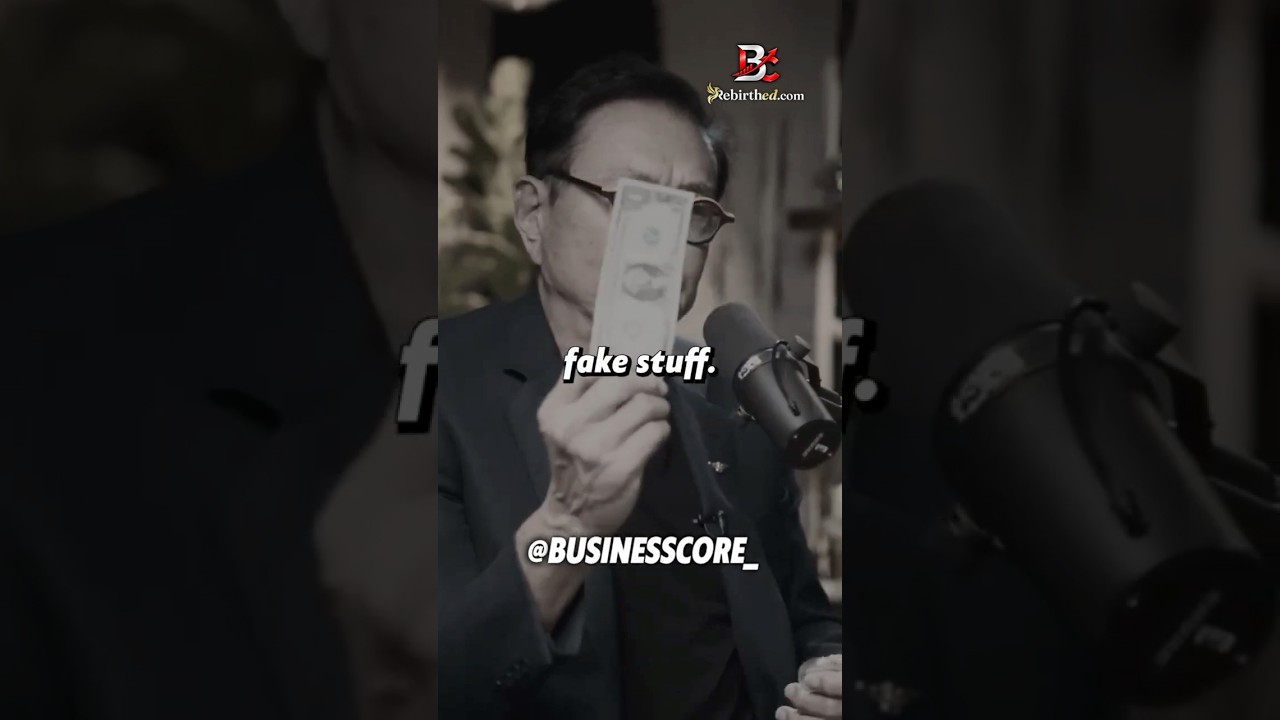
"Traits Of A REAL Entrepreneur" | Mark Cuban's Advice
The advice carries a harder edge on the question of passion, which Cuban has publicly pushed back against as career guidance. The more useful filter, in his framing, is what a person is genuinely good at and willing to work at long enough to become excellent. Passion follows competence more often than it precedes it, and building a business around enthusiasm alone tends to produce founders who are surprised when the work turns out to be tedious. Sales ability features prominently in the same vein — not as charisma, but as the practical capacity to get a customer to say yes, which most first-time founders underestimate and cannot outsource in the early years.
Underneath these specifics sits a view of entrepreneurship as a competitive endeavor in which someone else is always working. Cuban's version of the hustle argument is less about motivational intensity than about the uncomfortable fact that effort is one of the few variables entirely within a founder's control. Capital, timing, and market conditions are not. Knowing more about the industry than anyone else in the room is achievable through reading and repetition, and he treats that kind of unglamorous accumulation as a genuine competitive advantage rather than a prerequisite nobody mentions.
What makes the perspective useful is its refusal to flatter. The traits described are not innate gifts but behaviors that can be observed and measured — whether someone prepared, whether they know their business, whether they can sell. That reframing turns entrepreneurship from a question of identity into a question of conduct, which is both more demanding and more hon
Original description
Listen to this powerful interview featuring billionaire Mark Cuban. Learn about the traits and what he looks for in an entrepreneur and how he disqualifies people on Shark Tank.
👉 Share this video with a friend if you find it useful! Consider subscribing to the channel for videos about investing, finance, stock market, managing money, building wealth, passive income, and other business-related content!
►Business Core:
Twitter: https://twitter.com/businesscore_
Facebook: https://facebook.com/businesscoreyt
Instagram: https://instagram.com/businesscore
TikTok: https://tiktok.com/@businesscore
►Copyright Disclaimer: Business Core, owns commercial licenses for all the content used in this video and it was fully edited by our team. Please use the email under the about section to contact us about any discrepancies.
#business #finance #financialeducation #entrepreneur