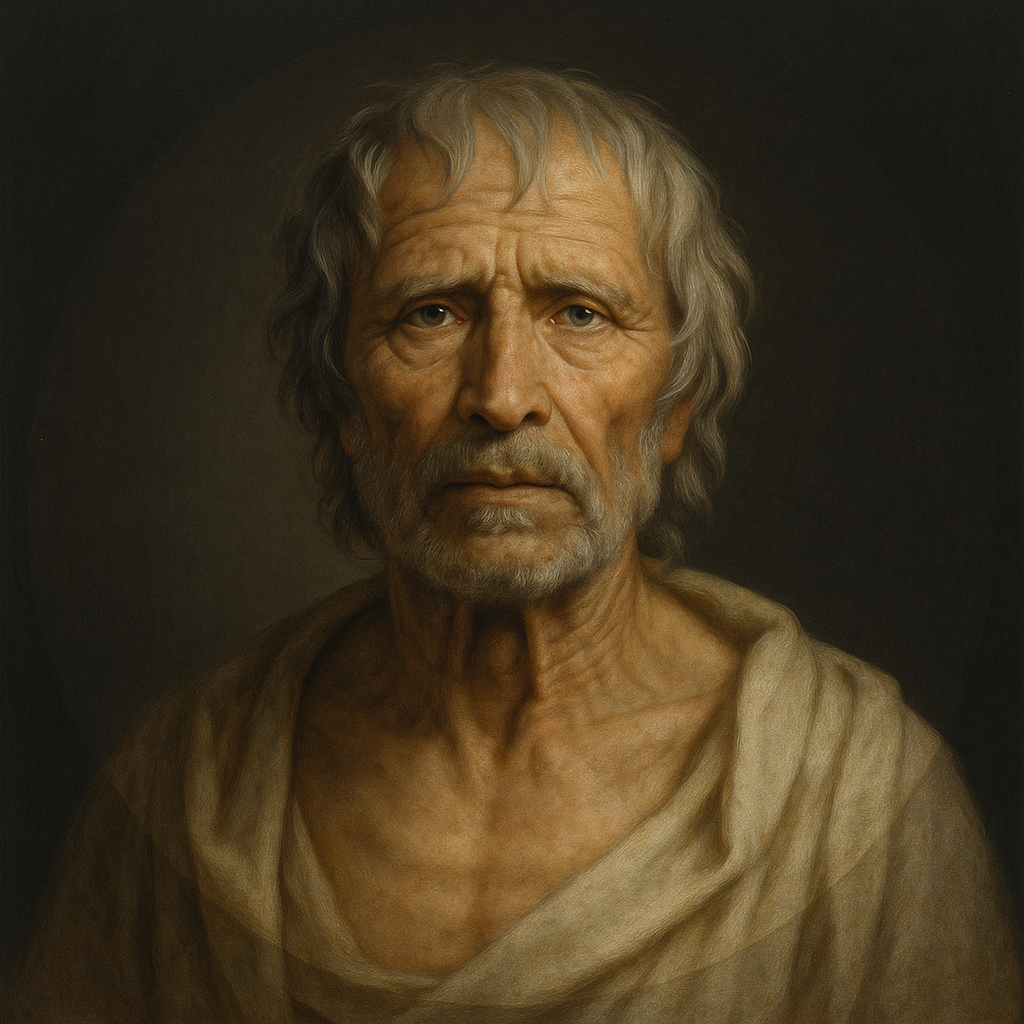
At a glance
- Age
- 84
- Born
- January 17, 1706
- From
- Boston, Massachusetts Bay Colony
- Nationality
- British America
Biography
Most people meet him first through the writing. He worked as a publisher, and the habit that shows up throughout his career — disciplined reflection paired with careful exposition — is the reason his material still circulates. He took trouble over how an idea was put, not only over whether it held up. That combination of conceptual rigour and communicative grace is the through-line from his earliest work onward.
He was born in Boston, in the Massachusetts Bay Colony, in January 1706. Alongside publishing he worked as a politician and a diplomat, and he is remembered for experiments in electricity and for the civic institutions he helped bring into being. The label usually attached to him is polymath, which in his case describes a working method more than a boast: the same appetite for inquiry pointed at electrical phenomena, at public life, and at how a sentence lands.
His mid-career writing shows widening ambition as he took on historical, social and technical problems that resisted easy handling. Disagreement seems to have helped. Opponents pressed him, and the pressure produced sharper, more exact statements of what he actually meant — a pattern visible across the arguments he entered.
By his later years he had become a point of reference for others, holding together innovation and continuity rather than choosing between them. He died in April 1790. What survives is less an archive than a way of asking questions, which is why readers who arrive expecting a historical figure often stay for the method.
He was born in Boston, in the Massachusetts Bay Colony, in January 1706. Alongside publishing he worked as a politician and a diplomat, and he is remembered for experiments in electricity and for the civic institutions he helped bring into being. The label usually attached to him is polymath, which in his case describes a working method more than a boast: the same appetite for inquiry pointed at electrical phenomena, at public life, and at how a sentence lands.
His mid-career writing shows widening ambition as he took on historical, social and technical problems that resisted easy handling. Disagreement seems to have helped. Opponents pressed him, and the pressure produced sharper, more exact statements of what he actually meant — a pattern visible across the arguments he entered.
By his later years he had become a point of reference for others, holding together innovation and continuity rather than choosing between them. He died in April 1790. What survives is less an archive than a way of asking questions, which is why readers who arrive expecting a historical figure often stay for the method.
Known For
experiments in electricity and civic institutions.