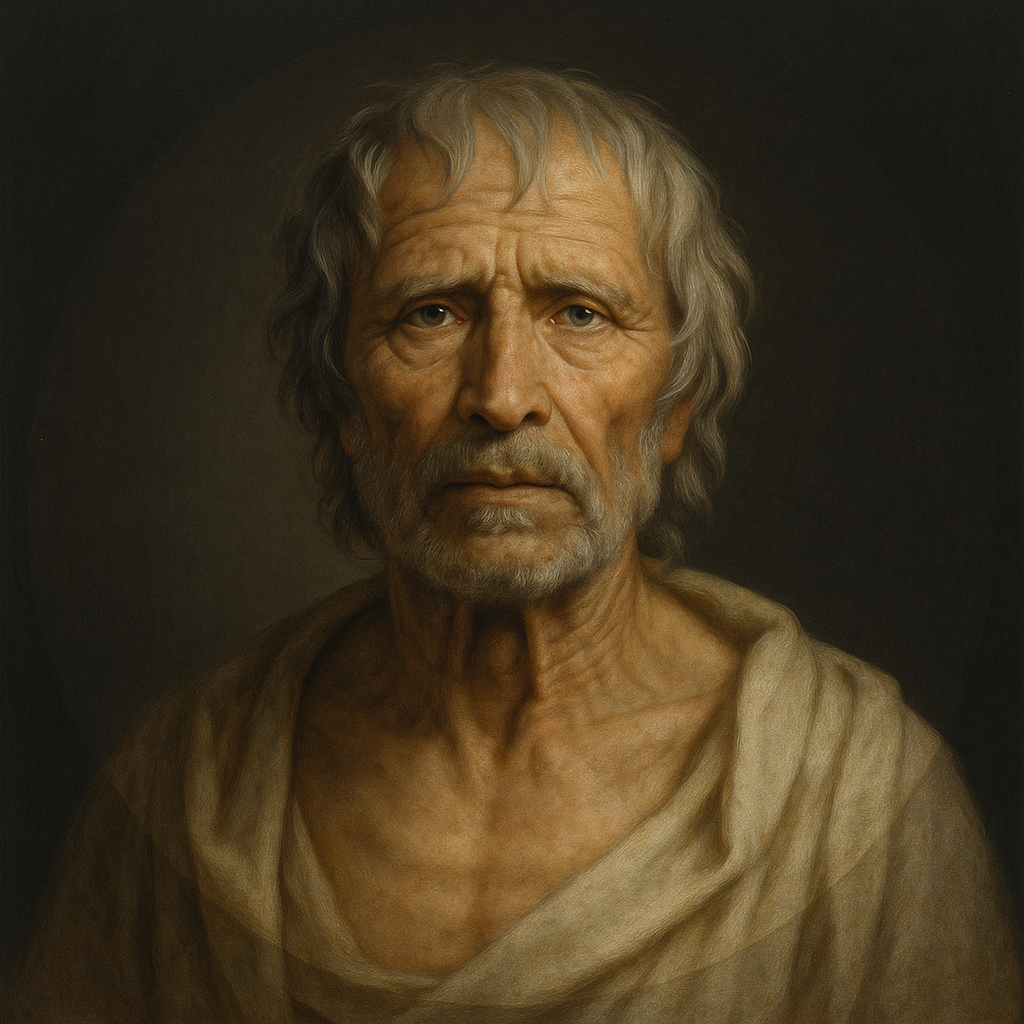
At a glance
- Age
- 77
- Born
- January 12, 1949
- From
- Fushimi-ku
- Nationality
- Japan
Biography
For readers who arrive at his work through a quoted line about running, solitude or the discipline of sitting down to write, the source is a Japanese novelist whose books have travelled about as far as books can. His fiction, essays and short stories have topped bestseller lists at home in Japan and abroad, with translations into 50 languages and millions of copies sold outside his own country.
He was born on 12 January 1949 in Fushimi-ku. His career began with recognition rather than obscurity — the Gunzo Prize for New Writers — and the list of honours that followed spans genre fiction and literary establishment alike: the World Fantasy Award, the Tanizaki Prize, the Yomiuri Prize for Literature, the Frank O'Connor International Short Story Award, the Noma Literary Prize, the Franz Kafka Prize, the Kiriyama Prize for Fiction, the Jerusalem Prize and the Princess of Asturias Awards. He has also won the Goodreads Choice Award for Best Fiction, which is decided by readers voting rather than by a panel — a reasonable indicator of how wide his general readership has become.
That combination is the reason his remarks on work and craft get repeated. He is not a commentator or a coach; he is a working writer whose output has been judged, repeatedly and by very different sets of judges, to be worth prizes. Anything he says about the practice of making things carries the weight of that record.
He was born on 12 January 1949 in Fushimi-ku. His career began with recognition rather than obscurity — the Gunzo Prize for New Writers — and the list of honours that followed spans genre fiction and literary establishment alike: the World Fantasy Award, the Tanizaki Prize, the Yomiuri Prize for Literature, the Frank O'Connor International Short Story Award, the Noma Literary Prize, the Franz Kafka Prize, the Kiriyama Prize for Fiction, the Jerusalem Prize and the Princess of Asturias Awards. He has also won the Goodreads Choice Award for Best Fiction, which is decided by readers voting rather than by a panel — a reasonable indicator of how wide his general readership has become.
That combination is the reason his remarks on work and craft get repeated. He is not a commentator or a coach; he is a working writer whose output has been judged, repeatedly and by very different sets of judges, to be worth prizes. Anything he says about the practice of making things carries the weight of that record.