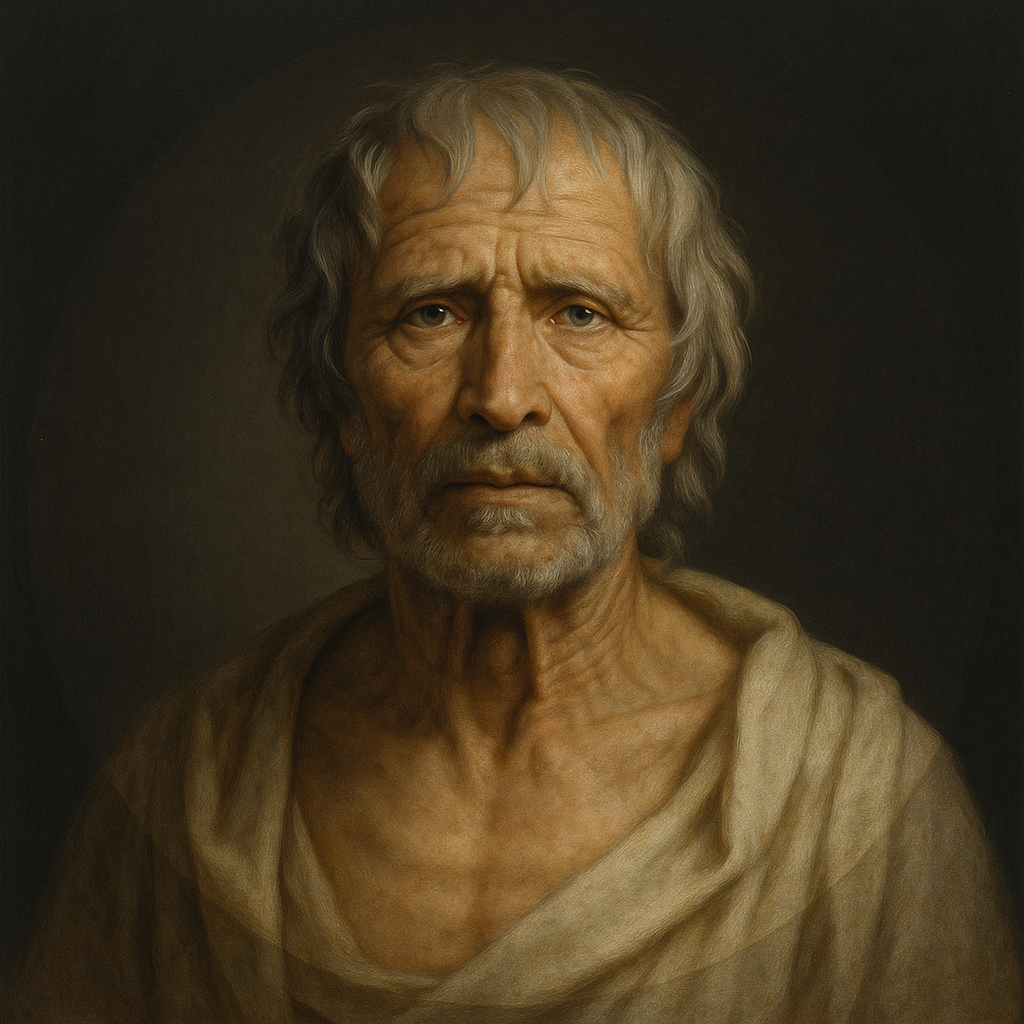
At a glance
- Age
- 95
- Born
- July 18, 1918
- From
- Mvezo, Cape Province, South Africa
- Lives in
- Houghton Estate
- Nationality
- South Africa
Biography
Most people meet him through the same idea: a man who spent 27-odd years — the extract says decades — in prison and came out arguing against revenge. That is the part that travels. After his release in 1990 he told supporters to build a shared future rather than settle scores, and as president he backed the Truth and Reconciliation Commission, a mechanism for confronting past crimes rather than burying or avenging them. The choice was not sentimental; it sat alongside insistence on the rule of law and a new constitutional order.
The road there was long. Trained as a lawyer, he co-founded South Africa's first Black law firm, defending people prosecuted under racist statutes. Through the African National Congress he helped organise campaigns against pass laws and forced removals. After the Sharpeville massacre and the banning of the ANC he went underground to coordinate resistance, and was arrested and tried at Rivonia, where he made his statement about the ideal of a free and democratic society while facing a possible death sentence. He got life instead, serving it on Robben Island and later at Pollsmoor.
Prison is where much of his authority was built rather than lost. He studied, kept to a routine of exercise and discipline, and pressed fellow prisoners to hold on to their dignity; his letters and his dealings with guards reflected the same insistence on basic human respect. As the Cold War receded and unrest grew inside the country, secret talks began between Mandela and government officials, leading to his release and to fraught negotiations with F.W. de Klerk to dismantle apartheid. He compromised where he could and held the line on core principles.
Elected president in 1994 in the country's first universal-suffrage vote, he expanded services, worked to redress inequality, and was widely consulted abroad on questions of peace and justice. He served one term and stepped down, which did as much for democratic norms as anything he legislated. Retirement went to health and education work through his foundation. He was born in Mvezo in 1918 and died in 2013; the Nobel Peace Prize came in 1993.
The road there was long. Trained as a lawyer, he co-founded South Africa's first Black law firm, defending people prosecuted under racist statutes. Through the African National Congress he helped organise campaigns against pass laws and forced removals. After the Sharpeville massacre and the banning of the ANC he went underground to coordinate resistance, and was arrested and tried at Rivonia, where he made his statement about the ideal of a free and democratic society while facing a possible death sentence. He got life instead, serving it on Robben Island and later at Pollsmoor.
Prison is where much of his authority was built rather than lost. He studied, kept to a routine of exercise and discipline, and pressed fellow prisoners to hold on to their dignity; his letters and his dealings with guards reflected the same insistence on basic human respect. As the Cold War receded and unrest grew inside the country, secret talks began between Mandela and government officials, leading to his release and to fraught negotiations with F.W. de Klerk to dismantle apartheid. He compromised where he could and held the line on core principles.
Elected president in 1994 in the country's first universal-suffrage vote, he expanded services, worked to redress inequality, and was widely consulted abroad on questions of peace and justice. He served one term and stepped down, which did as much for democratic norms as anything he legislated. Retirement went to health and education work through his foundation. He was born in Mvezo in 1918 and died in 2013; the Nobel Peace Prize came in 1993.
Known For
Anti-apartheid struggle; President of South Africa; Truth and Reconciliation Commission; Nobel Peace Prize (1993).