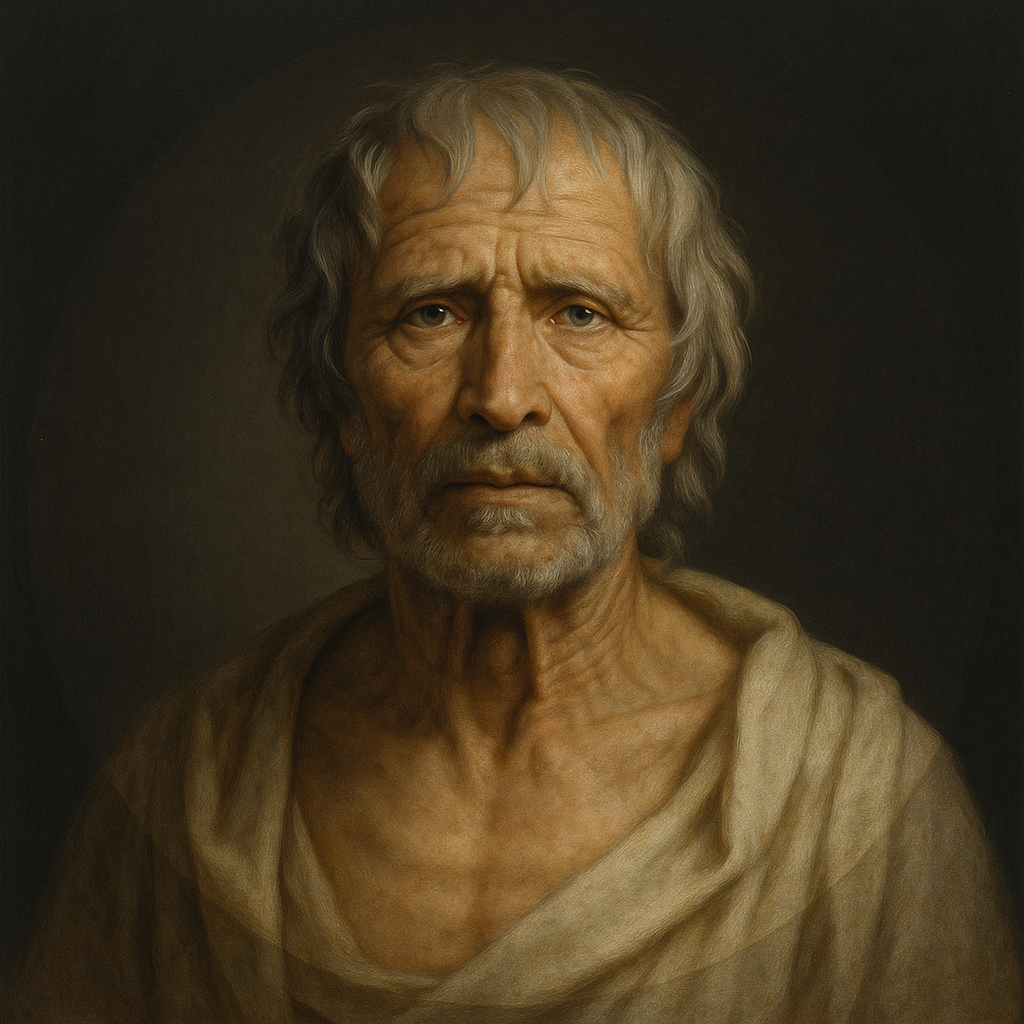
At a glance
- Age
- 90
- Born
- November 30, 1874
- From
- Blenheim, Oxfordshire, England
- Lives in
- Dublin
- Nationality
- United Kingdom
Biography
The quotes that circulate — about endurance, about never giving in — mostly come from a stretch of months in 1940 when Britain was under bombardment and largely alone. Churchill had become Prime Minister in the middle of that crisis, pulled together a national coalition, and used radio broadcasts to give people words for what they were living through. He treated morale as a strategic asset rather than a by-product, and understood that ceremony and performance were part of the job of leading.
He arrived at that point through an unusual mixture of soldiering, journalism and politics, which gave him both a taste for risk and a facility with language. He held several cabinet posts and repeatedly took positions that were unpopular at the time; his warnings about rearmament in Europe and the spread of totalitarian power turned out to be right. In office during the war he backed scientific work, code-breaking and special operations as ways of stretching thin resources, worked through the night on memos, and held together alliances with the United States and the Soviet Union while imperial pressures pulled in other directions.
The record is not uncomplicated. He was criticised for decisions that carried heavy human cost, and historians still argue over his handling of empire. He lost the election after victory in Europe, stayed a leading voice on foreign affairs — it was in a speech that he coined "iron curtain" for Soviet control — and returned to office in the 1950s before retiring.
Afterwards he wrote multi-volume histories that shaped how the war was remembered, and the Nobel Prize in Literature recognised his command of English prose. Born at Blenheim in Oxfordshire in 1874, he died in 1965. Museums and preserved war rooms keep the physical traces of how he worked, while new archives keep prompting reassessment by admirers and critics alike. What keeps him in circulation for audiences today is narrower than the full record: the example of holding a line under pressure, and of what words can do in a crisis.
He arrived at that point through an unusual mixture of soldiering, journalism and politics, which gave him both a taste for risk and a facility with language. He held several cabinet posts and repeatedly took positions that were unpopular at the time; his warnings about rearmament in Europe and the spread of totalitarian power turned out to be right. In office during the war he backed scientific work, code-breaking and special operations as ways of stretching thin resources, worked through the night on memos, and held together alliances with the United States and the Soviet Union while imperial pressures pulled in other directions.
The record is not uncomplicated. He was criticised for decisions that carried heavy human cost, and historians still argue over his handling of empire. He lost the election after victory in Europe, stayed a leading voice on foreign affairs — it was in a speech that he coined "iron curtain" for Soviet control — and returned to office in the 1950s before retiring.
Afterwards he wrote multi-volume histories that shaped how the war was remembered, and the Nobel Prize in Literature recognised his command of English prose. Born at Blenheim in Oxfordshire in 1874, he died in 1965. Museums and preserved war rooms keep the physical traces of how he worked, while new archives keep prompting reassessment by admirers and critics alike. What keeps him in circulation for audiences today is narrower than the full record: the example of holding a line under pressure, and of what words can do in a crisis.
Known For
British Prime Minister during WWII; speeches; Nobel Prize in Literature.
Quotes 10
“Success is stumbling from failure to failure with no loss of enthusiasm.”
“Never, never, never give up.”
“To improve is to change; to be perfect is to change often.”
“However beautiful the strategy, you should occasionally look at the results.”
“You will never reach your destination if you stop and throw stones at every dog that barks.”
“We make a living by what we get. We make a life by what we give.”
“A pessimist sees the difficulty in every opportunity; an optimist sees the opportunity in every difficulty.”
“Attitude is a little thing that makes a big difference.”
“If you're going through hell, keep going.”
“Success is not final, failure is not fatal: it is the courage to continue that counts.”