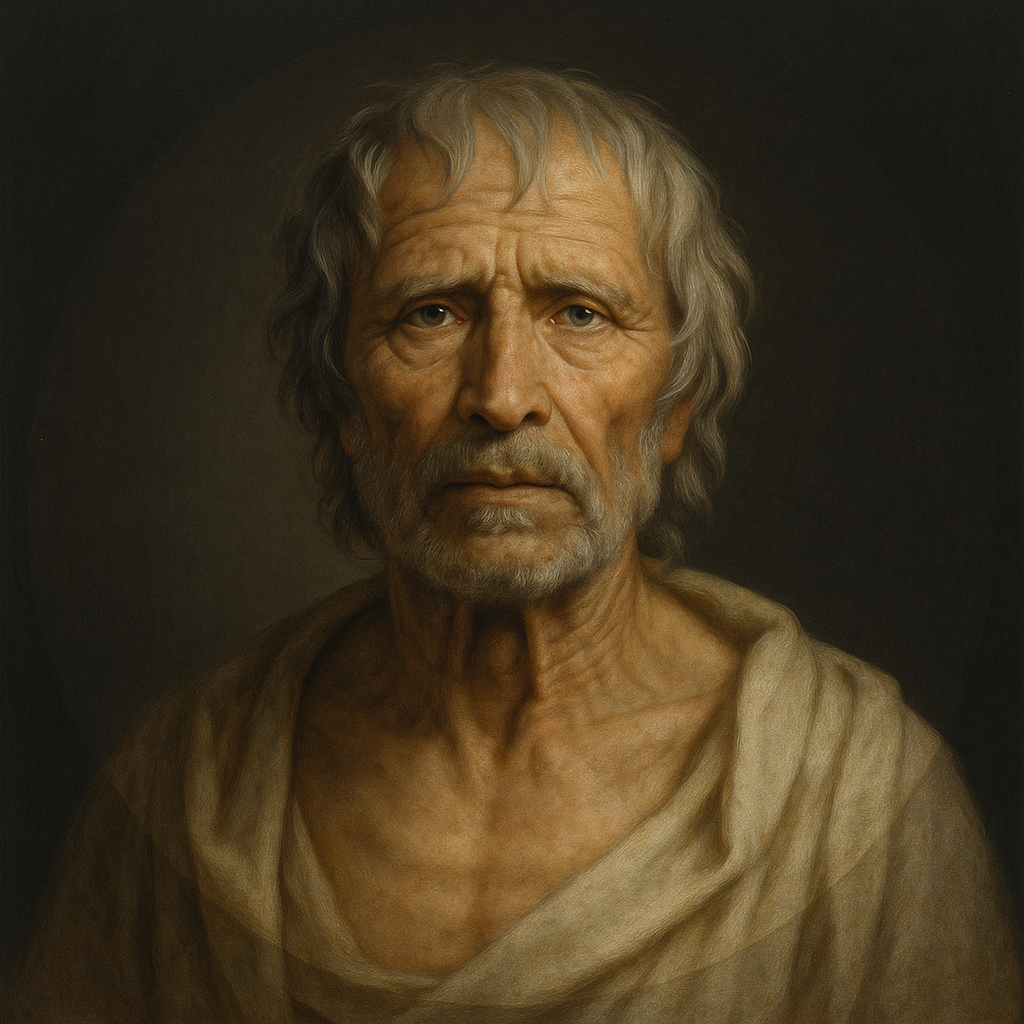
At a glance
- Age
- 35
- Born
- January 27, 1756
- From
- Salzburg, Archdiocese of Salzburg
- Lives in
- Mozart's birthplace
- Nationality
- Archduchy of Austria
Biography
Most people arrive at him through the operas. *The Marriage of Figaro*, *Don Giovanni* and *The Magic Flute* are the works that keep pulling audiences back, partly because they refuse to choose between comedy and moral seriousness — the jokes and the judgement sit in the same scene. He wrote them in Vienna, where his ensembles found a way to make several characters sing at once and still tell the truth about each of them.
Before any of that he was a child on the road, carted around Europe, picking up languages, local styles and patrons as he went. The early symphonies and sonatas are graceful rather than deep; the depth arrives later, once the characterisation sharpens. In the instrumental music the same instinct shows up differently — concertos and symphonies where lyricism and structure hold each other in check, and string quartets and quintets in which the parts talk to each other as equals rather than one leading and three accompanying. His sacred works carry weight without turning solemn.
The working life behind this was less tidy. He bargained for independence and paid for it in insecurity, wrote at a rate that seems barely credible, and lived with deadlines and debts pressing on him throughout. His letters show a man with a sense of humour and a sharp eye. He treated librettists and performers as collaborators, people to play with rather than instruct.
He died in 1791, thirty-five years old. What survived became a standard: students still work through his scores as models of proportion and balance, editors and performers still find new detail in the articulation and pacing, and listeners still get the delight that somehow doesn't wear out with repetition. A short life, lived at full pressure, and a body of work that functions as a training in how to listen.
Before any of that he was a child on the road, carted around Europe, picking up languages, local styles and patrons as he went. The early symphonies and sonatas are graceful rather than deep; the depth arrives later, once the characterisation sharpens. In the instrumental music the same instinct shows up differently — concertos and symphonies where lyricism and structure hold each other in check, and string quartets and quintets in which the parts talk to each other as equals rather than one leading and three accompanying. His sacred works carry weight without turning solemn.
The working life behind this was less tidy. He bargained for independence and paid for it in insecurity, wrote at a rate that seems barely credible, and lived with deadlines and debts pressing on him throughout. His letters show a man with a sense of humour and a sharp eye. He treated librettists and performers as collaborators, people to play with rather than instruct.
He died in 1791, thirty-five years old. What survived became a standard: students still work through his scores as models of proportion and balance, editors and performers still find new detail in the articulation and pacing, and listeners still get the delight that somehow doesn't wear out with repetition. A short life, lived at full pressure, and a body of work that functions as a training in how to listen.
Known For
The Marriage of Figaro; Don Giovanni; The Magic Flute; late symphonies and concertos.